
E-SFS1®
Static Fast Charging
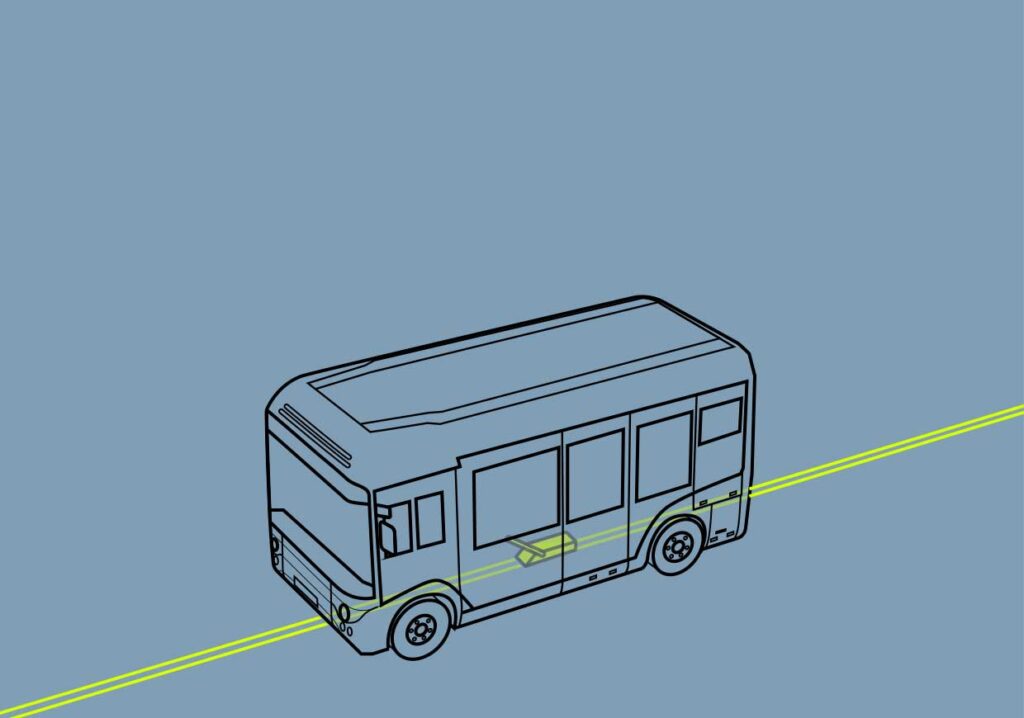
E-DFS1®
Dynamic Fast Charging
EVIAS develops smart automated charging systems for electric vehicles, delivering over 1 MW in both static and dynamic modes.
Our goal is simple: to make vehicle electrification more practical, cost-efficient, and sustainable — at scale.
Designed for heavy-duty vehicles, public transport, logistics fleets, and infrastructure operators, our technology removes operational barriers and enables continuous charging without manual connection.
OUR EV CHARGING SOLUTIONS ADDRESS TWO NEEDS
Static Fast Charging
- Hands-free automatic connection — No plugs. No operator action required.
- High-power fast charging — Over 1000 kW enables short dwell times at depots, stops, or parking areas.
- Flexible, scalable installation — Start at one site and expand across your network.
Dynamic Fast Charging
- Same collector, same system — Simply extend with in-road charging track.
- Shared infrastructure cost — One system supports any retrofitted vehicle type across your fleet.
- No charging stops — Keep vehicles moving on longer or high-frequency routes.
IT IS THE BEST FOR WHAT TRULY MATTERS

Best Efficiency
Our flagship E-DFS1® technology allows drivers to charge as they go with the best charge time to distance ratio: up to 1 to 5.
Efficiency is improved by optimizing time— eliminating the need for stops — and by reducing the demand for land space.

Lowest Cost
Our electric road system is cost-effective for our clients. Thanks to its externalized charger, the battery size is reduced by at least 50%, increasing the vehicle’s cargo capacity.
It surpasses all other market options in terms of cost for implementation and maintenance, as it only requires a fraction of the road to be electrified.

Highest Safety
Our conductive charging system ensures maximum safety by complying with the demanding IP20 standard, matching the safety standards of household electrical outlets. The track is electrified only when electric vehicles are connected, preventing electricity flow and minimizing hazards when not in use. Additionally, our system eliminates concerns about electromagnetic radiation and associated health risks, providing a safer and healthier solution for road users.
EVIAS Cloud-connected
charge system

Cloud
Real-time connectivity to cloud platforms for remote management.

Externalized Charging System
Externalized charging system connected to the power grid.

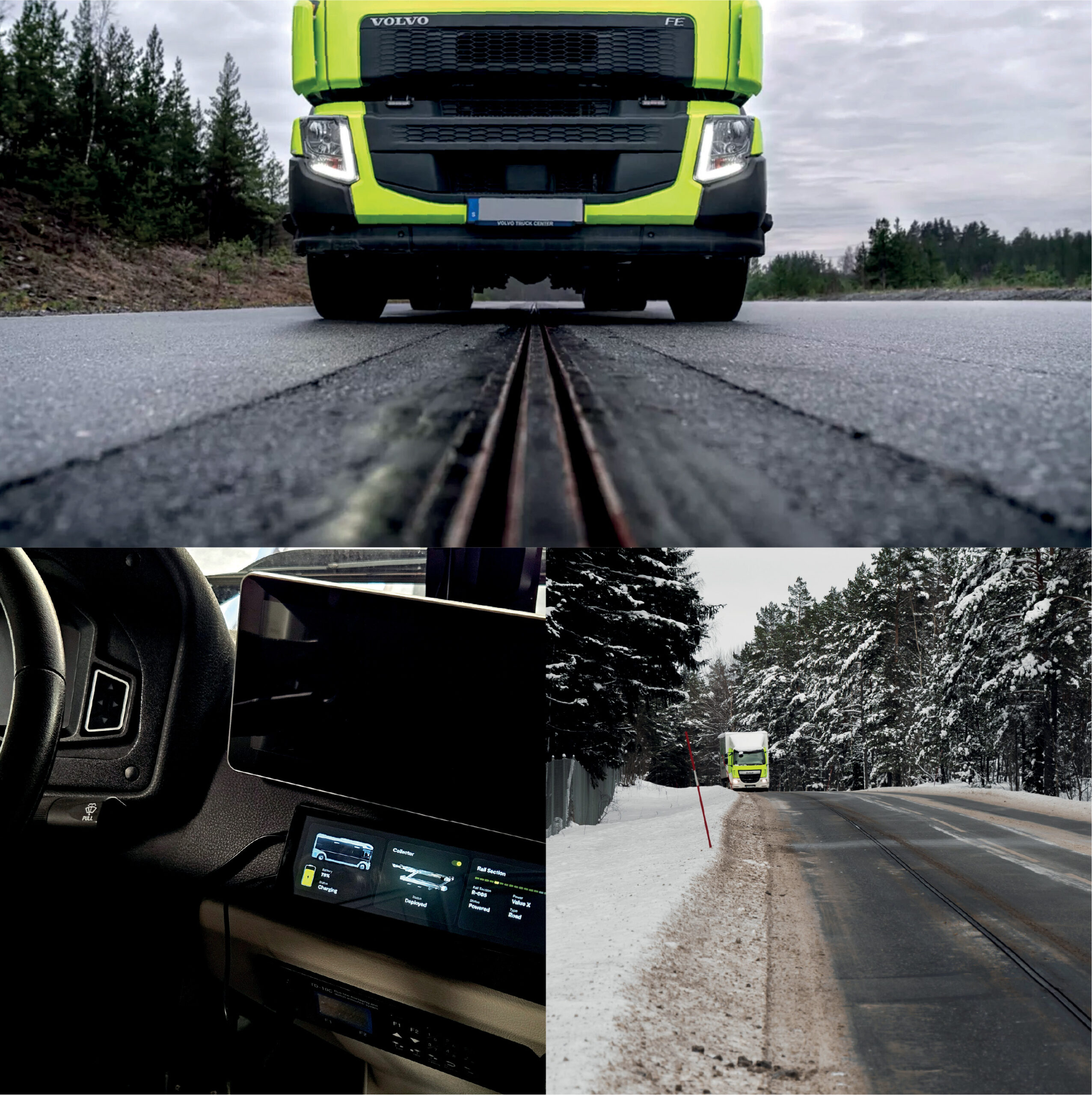
Display Unit
Updates on charging status and displays the charging process.

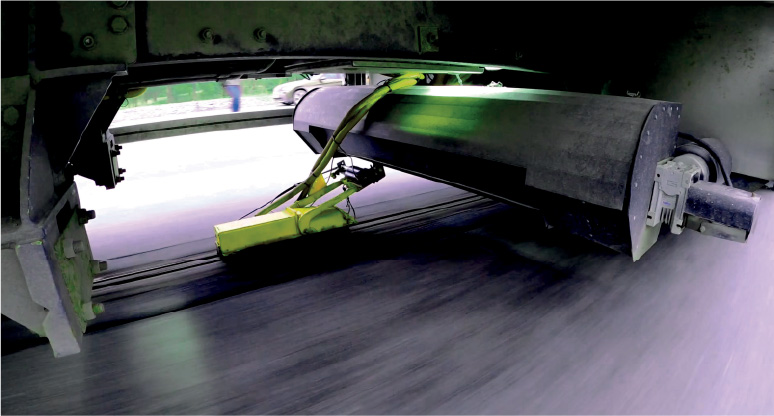
Charging Collector
Automatically deploys, connects and retracts.

Track
Facilitates a secure connection between charging system and vehicle.
IT IS SIMPLE AND AUTOMATIC
Connect
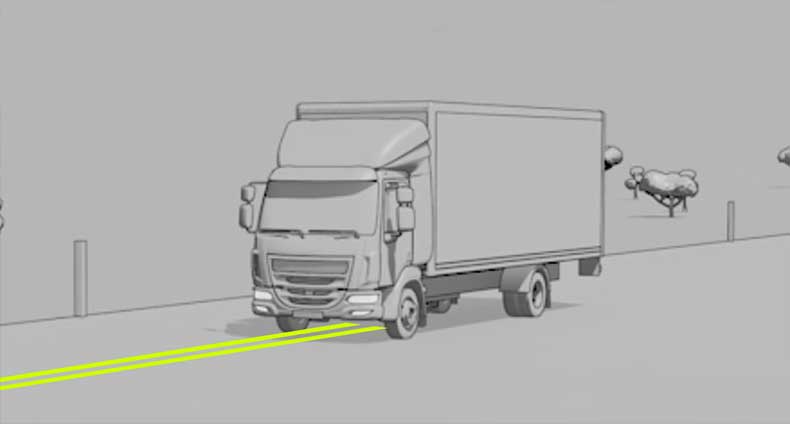
GPS sensors detect electric track, deploying dynamic collector.
Charge
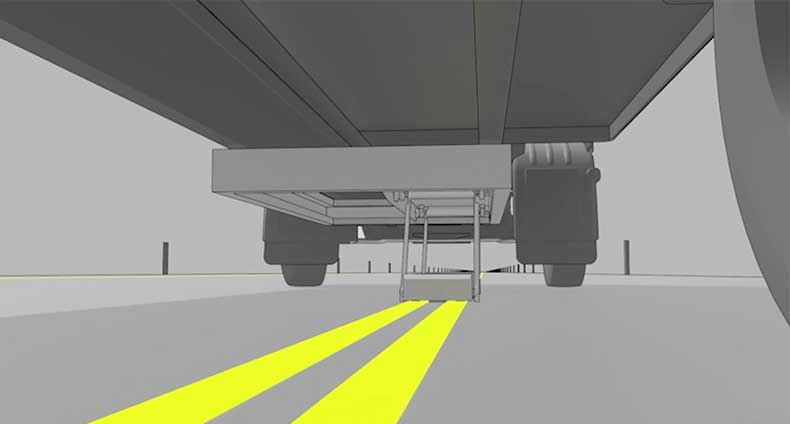
Electric track powers engine and recharges battery.
Disconnect
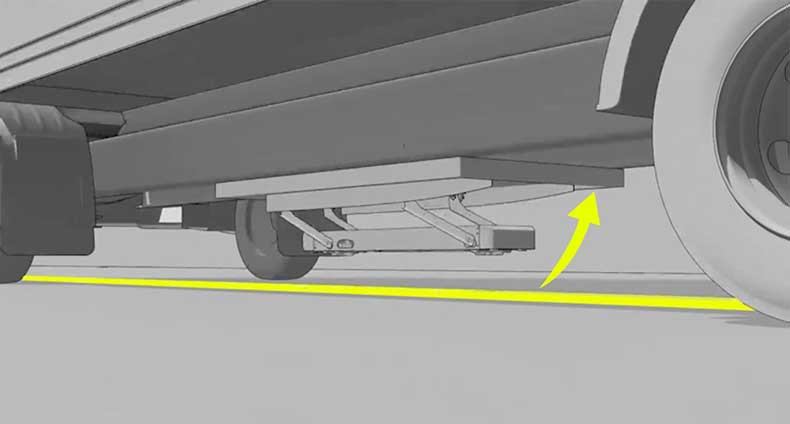
At the end of an electrified section, collector raises and folds automatically.

HOW IT ALL CONNECTS
What is ERS ?
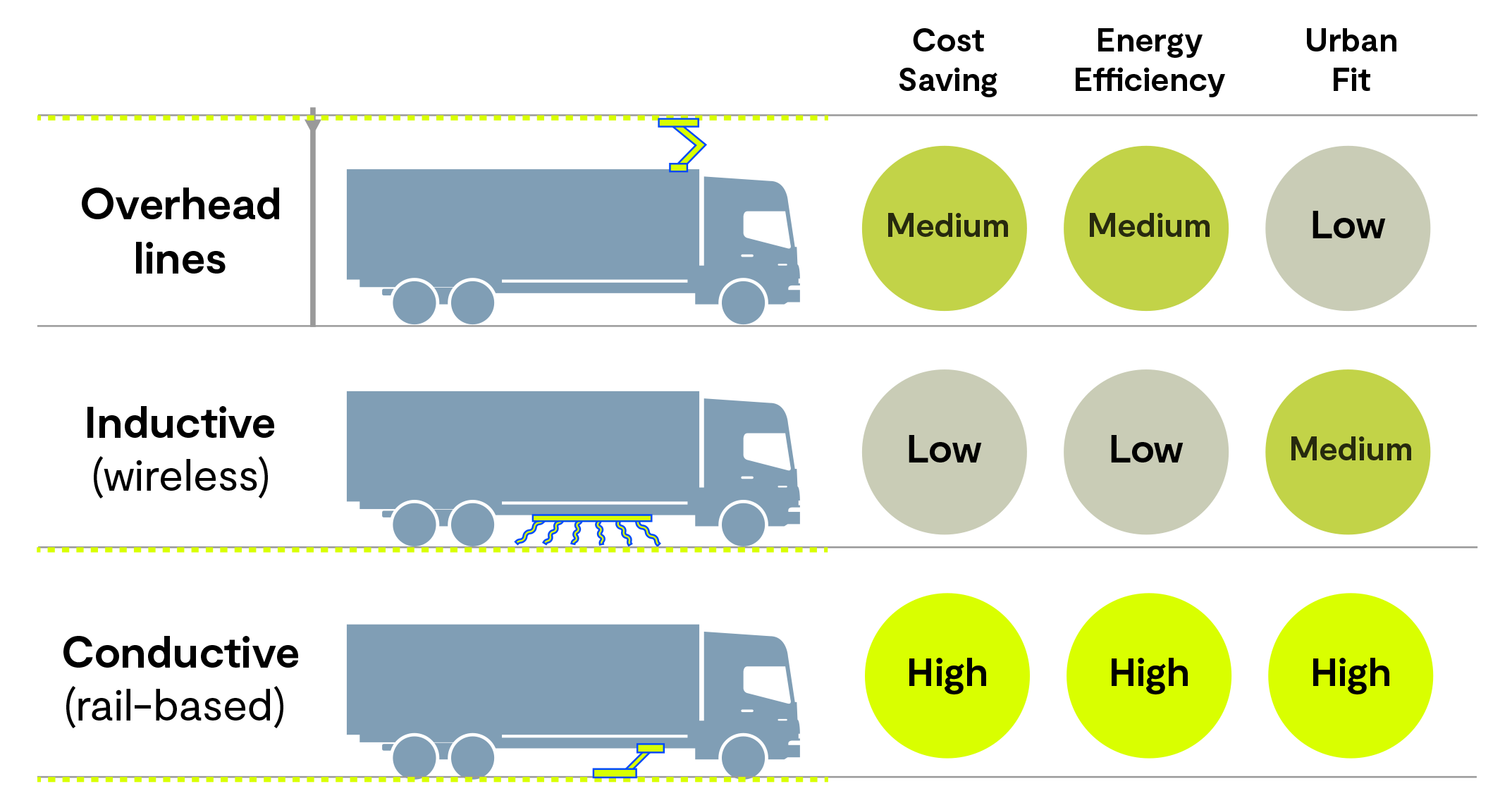
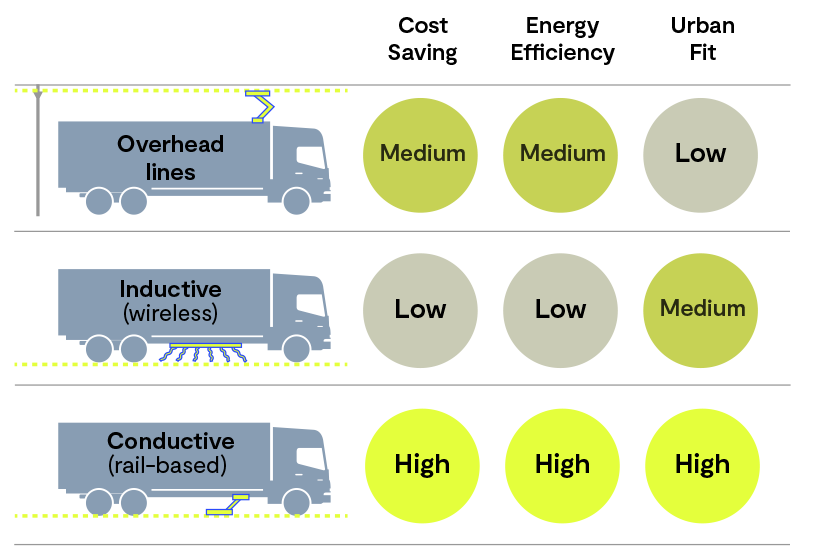
Electric Road Systems (ERS) are technologies that charge electric vehicles while they move or stop. This includes overhead lines, inductive (wireless), and conductive (rail-based) systems — all designed to reduce battery size, eliminate charging stops, and support electrified transport at scale.
What is Conductive Charging?
Conductive charging delivers electricity through direct contact between a rail in the road and a collector under the vehicle.EVIAS delivers high-power dynamic charging without the need for onboard chargers, using a in-road rail design built for safety and durability.
Want to dive deeper into the differences?
See full comparison in our FAQ
WHY EVIAS LEADS?
Smarter Design, Lower Cost
- The charger is externalised, not in the vehicle — reducing battery size by up to 60%, which increases cargo capacity.
- No electronics in the road, just conductive tracks — for simpler maintenance and fewer failure points.
- Only a small portion of the road needs to be electrified, thanks to over 1000 kW charging capability.
- It surpasses other market options in terms of implementation and maintenance cost.
Flexible Across Fleets and Roads
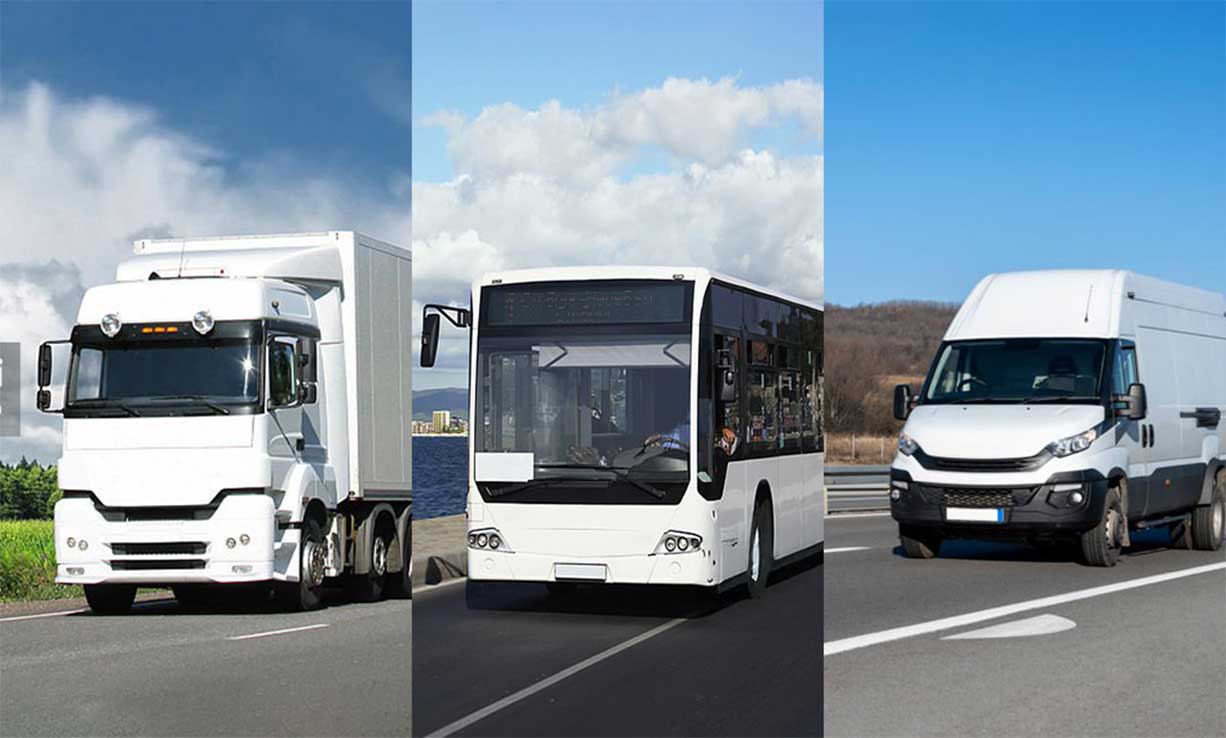
- Works with all vehicle types — retrofitted or OEM-built, trucks, buses, or vans.
- Scales easily across any environment — from city streets to highways, ports, and airports — with minimal disruption to existing infrastructure.

Have more questions? We’re here to help.